
Exploring Bangkok, Thailand, as a First-Time Tourist
Bangkok is a city that rarely introduces itself quietly. From the moment you arrive, you are surrounded by golden temples, glass skyscrapers, colourful markets, busy roads, fragrant food stalls and the constant movement of people. For a first-time tourist, Thailand’s capital can initially feel overwhelming, but that energy is also what makes it so exciting. Bangkok rewards visitors who explore slowly, remain curious and accept that the unexpected is part of the experience.
A good introduction begins in Bangkok’s historic centre. The Grand Palace is the city’s most famous landmark and remains an important symbol of Thailand’s royal and religious heritage. Inside the complex is Wat Phra Kaew, home to the revered Emerald Buddha. Nearby, Wat Pho is known for its enormous reclining Buddha, peaceful courtyards and long association with traditional Thai massage. Visitors should dress respectfully when entering royal grounds and temples, covering their shoulders and knees and removing their shoes where required. (Tourism Authority of Thailand)
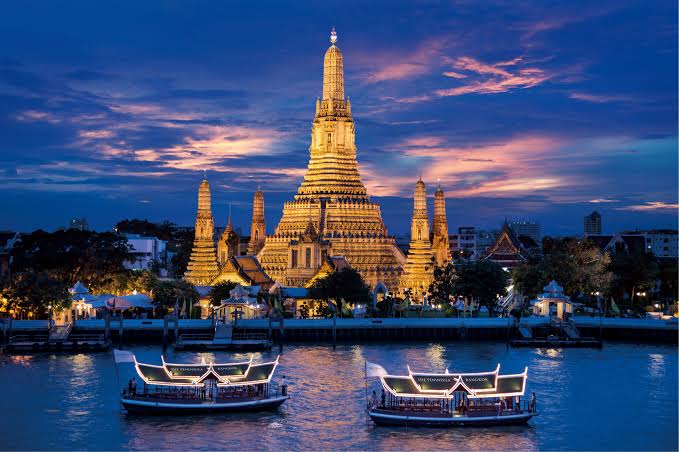
Across the Chao Phraya River stands Wat Arun, the Temple of Dawn. Its decorated central tower is one of Bangkok’s most recognisable sights. Taking a local ferry across the river is inexpensive and offers a refreshing change from travelling by road. The Chao Phraya is more than a scenic attraction; it is a working transport route that provides views of temples, modern hotels, wooden homes and busy riverside communities. A short evening cruise can reveal illuminated temples, riverside restaurants and the glowing skyline from a memorable perspective.
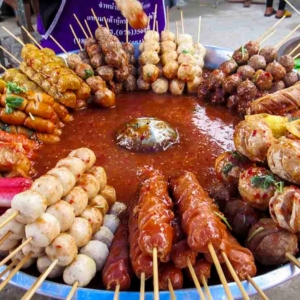
Bangkok’s neighbourhoods each offer a different atmosphere. Chinatown, centred around Yaowarat Road, becomes especially lively after sunset. Neon signs illuminate the streets while vendors prepare noodles, seafood, dumplings, desserts and grilled meats. Even cautious eaters can enjoy exploring here. Choose stalls that are busy, watch food being cooked freshly and begin with familiar dishes such as pad thai, fried rice, satay or mango sticky rice. (Tourism Authority of Thailand)
For modern Bangkok, travel to Siam, Chit Lom or Sukhumvit. These districts contain enormous shopping centres, international restaurants, rooftop bars and air-conditioned cafés. They demonstrate how comfortably Bangkok combines tradition with contemporary city life. A morning may be spent walking through a centuries-old temple, followed by an afternoon browsing luxury shops or enjoying panoramic views from a skyscraper.
Markets are another essential part of the Bangkok experience. Chatuchak Weekend Market is famous for its huge selection of clothing, handicrafts, art, household items, food and souvenirs. It is easy to become disoriented, so arrange a meeting point when travelling with others and carry water. Smaller neighbourhood markets can be equally rewarding because they provide a closer look at everyday life and often feel less tourist-focused. (Tourism Authority of Thailand)
Getting around Bangkok becomes easier once you understand the main transport options. The BTS Skytrain and MRT are usually the most convenient choices for travelling through central districts. Riverboats are useful near the historic attractions, while metered taxis and ride-hailing services help with destinations farther from stations. Tuk-tuks are fun for a short journey, but agree on the fare before setting off. Traffic can be extremely slow, particularly during rush hour, so avoid planning too many attractions in one day. (transitbangkok.com)
Bangkok is hot and humid for much of the year. Lightweight clothing, comfortable shoes, sunscreen and regular water breaks are essential. Sudden rain showers are common, making a small umbrella useful. Keep some cash for markets, ferries and small food stalls, although cards and mobile payments are widely accepted in larger businesses.
First-time visitors should also be aware of common tourist traps. Politely ignore anyone claiming that a major attraction is closed without checking at the official entrance. Be cautious of unsolicited offers involving jewellery shops, unusually cheap tours or complicated detours. Most local people are welcoming and helpful, but normal city awareness remains important. Protect valuables in crowded areas and use licensed transport.
The best way to appreciate Bangkok is not to treat it simply as a checklist of landmarks. Wake early to watch monks collecting alms, sit beside the river with a cold drink, explore a quiet side street or stop at a small restaurant filled with local diners. Allow time for the city to surprise you.
Bangkok may appear chaotic, but beneath the noise is a city of extraordinary warmth, creativity and cultural depth. For a first visit, three or four full days provide a useful introduction, although longer allows for a more relaxed pace. By combining temples, river journeys, markets, neighbourhood food and modern attractions, a first-time tourist can discover why Bangkok is not merely a gateway to Thailand, but one of the country’s greatest experiences.

Join The Discussion